
The Middle Manager Problem Nobody Talks About
Ask most change practitioners where middle managers fit in a change effort, and you will get one of two answers. The first is that middle managers are a communication layer. They receive messages from above and pass them down to the people doing the work. They are, in this framing, a delivery mechanism: useful for […]
The Dashboard Is Green But Everything Is Wrong
Recovering Judgment: A Series on Practitioner Judgment in Change Management – Article 2 I was brought in after the second failure. A large global manufacturer had been implementing SAP HCM. By any formal measure, the project had been well-managed. Status reports were produced. Stakeholders had been engaged. Communications had gone out. Training had been planned. […]
Change Practitioners Don’t Lack Frameworks

Recovering Judgment: A Series on Practitioner Judgment in Change Management – Article 1 Change management doesn’t suffer from a shortage of frameworks. If anything, we may have the opposite problem. We have more models, methods, playbooks, templates, certifications, maturity assessments, toolkits, dashboards, and branded approaches than ever before. The field has been busy for decades […]
Change Moves Through Contact

I was tempted to describe change as similar to “Brownian motion” but, well, that just felt too clever, a little too precious. And, besides, the point I wanted to make is much simpler than that: Change moves through organizations by contact. People talk. They interpret. They misinterpret. They compare notes. They test the official story […]
Mastering Transformation by Fostering a Change-Ready Culture

Most organizations say they want a change-ready culture. Far fewer are willing to do the work required to create one. That’s because change readiness is often treated as an attitude problem. Employees need to be more adaptable. Leaders need to communicate more. Managers need to reinforce the message. Stakeholders need to get on board. Resistance […]
All the Liars in the Room
I’ve been thinking about the evolution of change management sentiment over the last few decades, and I keep coming back to the same conclusion: the field changes its language more readily than it changes its thinking. We like to tell a neat story about ourselves. We imagine that change management has progressed in some orderly […]
How Do We Show Up?

A recent post by Ron Leeman on LinkedIn asked, “Does Change Management have an identity crisis?” What this made me think about is how we show up as change practitioners. Not just what we call the discipline, but how we are experienced by others in the middle of uncertainty, ambiguity, and disruption. So maybe it’s […]
Change Fatigue? Really?!
It has been argued that organizational change fatigue has evolved from a temporary stress response into a chronic condition affecting workforce performance, innovation capacity, and strategic execution. The idea of change fatigue is not new; in fact, it has been around for decades. While the concept of change fatigue has been discussed extensively within the […]
Implementation Science and Behavior Change
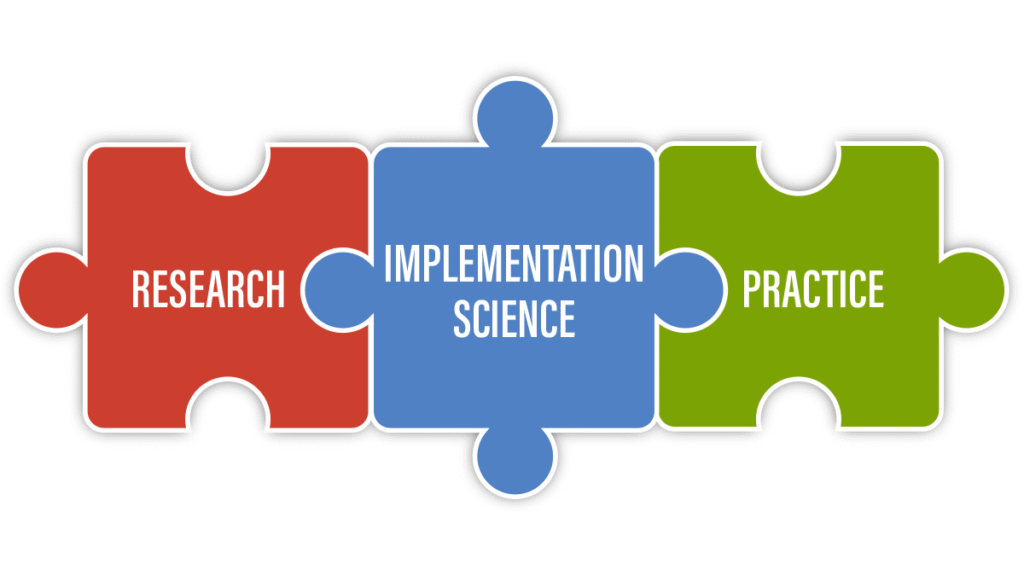
Implementation science is an innovative discipline dedicated to studying and informing the development and investigation of methods to promote the systematic uptake of research findings and other evidence-based practices into real-world contexts and routine practices. This field emerged to address the significant “implementation gap”, which refers to the considerable delay (often between fifteen and twenty […]
Managing the Unexpected

Organizational culture is believed to be developed as a patterned set of shared beliefs and expectations. Often, the definition of culture ends here. In fact, however, culture also includes a repertoire of capacities for action that shapes how individuals and groups detect, manage, and learn from the unexpected. In their volume, “Managing the Unexpected (2007), […]
Leader Sensemaking and Change
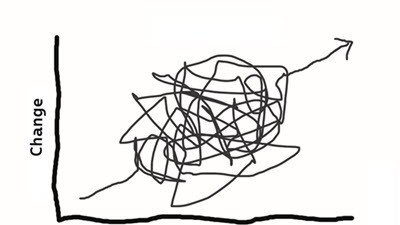
Leaders make sense of and engage with transformative organizational change through a complex process primarily driven by their own sensemaking. This process is not straightforward and is influenced by their existing beliefs, experiences, and the social context, according to Ronald Skea, author of “Leadership, Organizational Change, and Sensemaking (2021)”. Successful change in thinking begins with […]
What Sensemaking During Crises Teaches us About Change

Crises are characterized by low probability/high consequence events that challenge organizational goals and defy easy interpretation. In his 1988 study of leader sensemaking Karl Weick introduces and explores the concept of enacted sensemaking in the context of organizational crises, arguing that the actions taken to understand a crisis can paradoxically worsen it. Drawing on examples […]