
Why Classic Change Models Struggle with Modern Speed
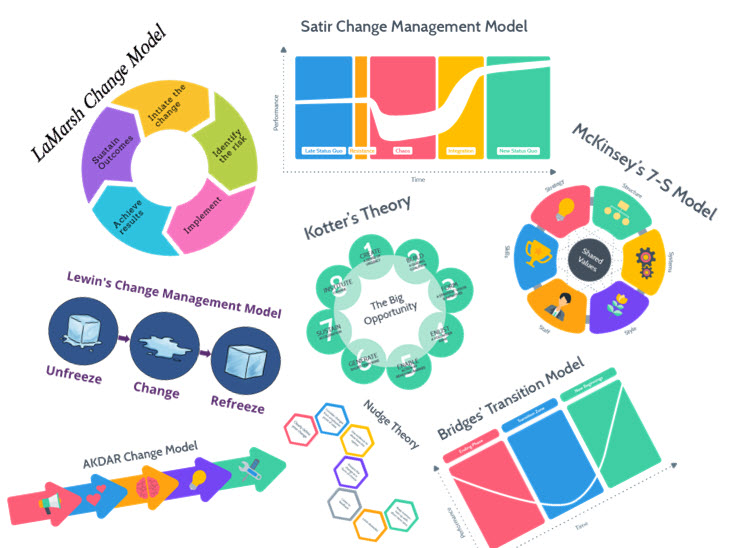
Established change management models still have real value. Their core ideas—creating a compelling vision, building dissatisfaction with the status quo, planning the work, empowering people, and consolidating gains—haven’t suddenly become irrelevant. What has changed is the context. Leaders today are dealing with unprecedented speed, simultaneity, and complexity. Multiple transformations run in parallel. Technologies, markets, and […]
The Trouble with CANs
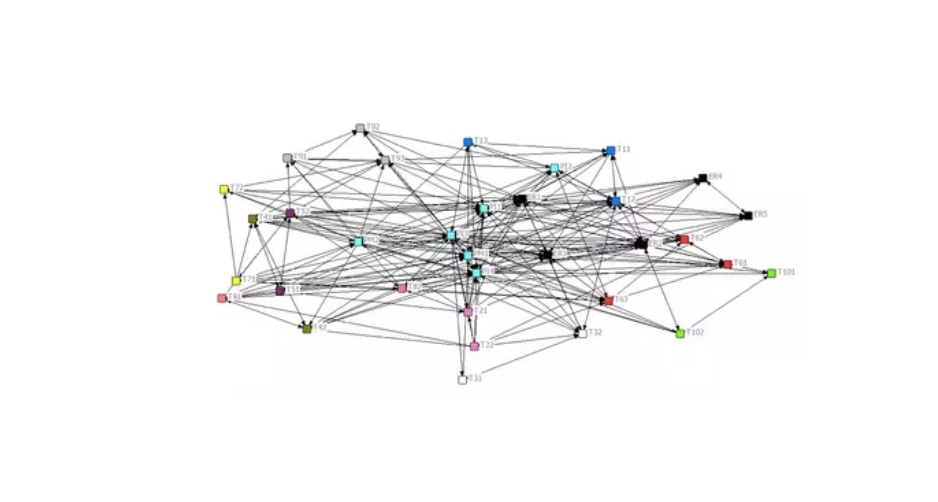
Change agent networks (CANs) are a popular mechanism for scaling adoption across complex organizations. In theory, they extend the reach of a small transformation team by deputizing credible insiders to translate strategy into local behavior change. In practice, however, many networks struggle to show measurable impact. They are busy, visible, and well-intended – but not […]
Change as Play

When I first saw Boonstra’s “Organizational Change as Collaborative Play” (2019), the title left me skeptical. I read it anyway, and I’m glad I did. Boonstra offers a credible alternative to top-down, plan-and-push change. Using “play” as the core metaphor, he reframes change as a collective search in which people co-create a desirable future through […]
Engagement for Behavior Change
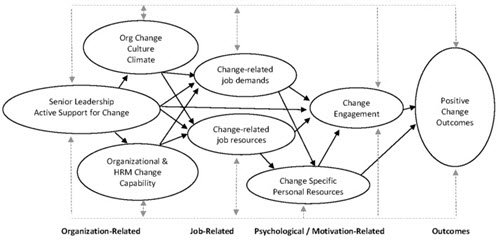
As discussed in my last article, the breakdown in behavior change often stems not from flawed techniques, but from weak engagement. Specifically, lack of engagement with the change initiative and its reinforcement mechanisms, rather than general organizational engagement. The Change Engagement Model (CEM) (also discussed in a previous article) is a framework based on the […]